Introduction: The Land of Five Rivers
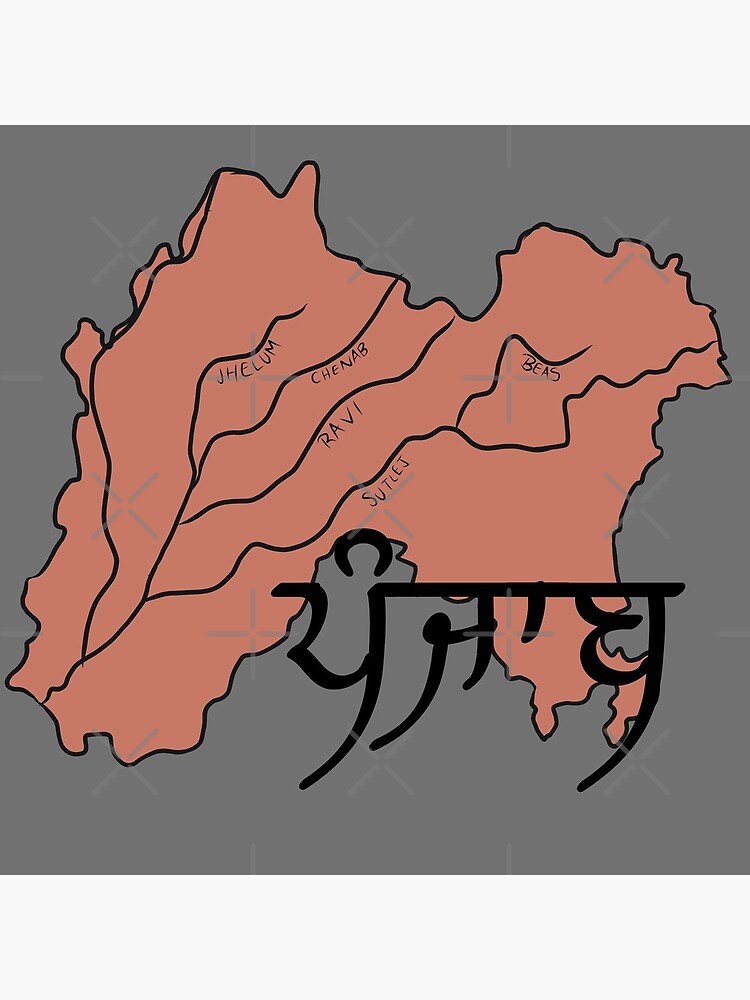
Punjab — derived from the Persian words “Panj” (five) and “Aab” (waters) — is the historic Land of Five Rivers: the Jhelum, Chenab, Ravi, Beas, and Sutlej. As one of the most fertile and geographically pivotal regions on earth, Punjab has served as the crossroads of empires and the birthplace of timeless spiritual and cultural movements.
Ancient Civilisation and Vedic Era
Punjab was a core cradle of the ancient Indus Valley (Harappan) Civilisation dating back to 3000 BCE, home to advanced urban planning at Harappa and Ropar. Later, the sacred hymns of the Rigveda were composed along Punjab’s rivers, shaping early philosophy.
The Sikh Empire (1799–1839)
In 1799, Maharaja Ranjit Singh (Sher-e-Punjab) unified the confederacies (Misls) and founded the sovereign Sikh Empire headquartered in Lahore. Extending from the Khyber Pass to the Sutlej, his reign is celebrated for its religious tolerance, military strength, economic prosperity, and patronizing of art and architecture, including gilding the Golden Temple.
Partition of 1947 and Modern Punjab
The 1947 Partition severed Punjab between India and Pakistan, triggering one of the largest mass migrations in human history. Despite this immense trauma, the resilient Punjabi spirit rebuilt itself, driving the Green Revolution that fed millions. Today, Punjabi culture, language, and values are celebrated in vibrant communities across the globe.
Frequently Asked Questions
What are the five historic rivers of Punjab?
The Jhelum, Chenab, Ravi, Beas, and Sutlej — tributaries of the Indus River.
Who was Maharaja Ranjit Singh?
The founder of the secular and powerful Sikh Empire (1799–1839), known as the Lion of Punjab (Sher-e-Punjab).
What was the impact of the Green Revolution in Punjab?
In the 1960s and 70s, Punjab adopted modern irrigation and high-yield crops, becoming the “Breadbasket of India”.