Introduction
Basant Panchami marks the joyful arrival of spring in Punjab. Celebrated on the fifth day (Panchami) of the month of Magh (late January/February), the festival brings an explosion of yellow flowers, radiant sunshine, and rooftop celebration across cities and villages.
The Color Yellow and Mustard Fields
Yellow (Basanti) is the defining color of the festival, representing the blooming mustard (Sarson) crops that blanket the Punjabi countryside in gold. People dress in yellow turbans, dupattas, and suits, and prepare festive delicacies like sweet yellow saffron rice (Meethed Chawal).
Kite Flying (Patangbazi) in Punjab
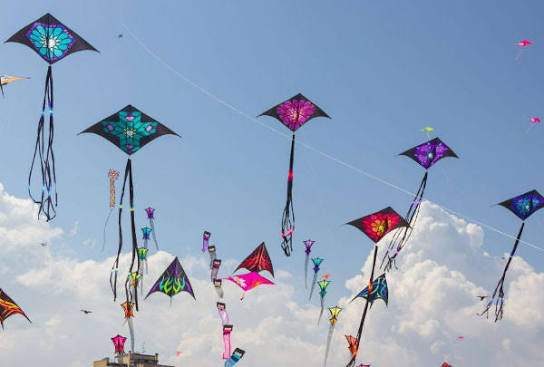
In cities like Amritsar, Lahore, Patiala, and Ferozepur, Basant is synonymous with rooftop kite-flying battles. Cries of “Bo-Kaata!” echo across rooftops from dawn to dusk as friends and neighbors compete in spirited kite duels.
Frequently Asked Questions
Why is yellow associated with Basant Panchami?
Yellow symbolizes the blooming mustard fields across Punjab and the renewal of life with the arrival of spring.
Which cities are famous for Basant kite flying?
Amritsar, Patiala, Ferozepur, and Lahore historically hosted the largest rooftop kite flying festivals in Punjab.
What spiritual hymns are sung on Basant in Gurdwaras?
Devotional hymns composed in Raag Basant from the Sri Guru Granth Sahib Ji are sung to celebrate spiritual awakening.