Introduction
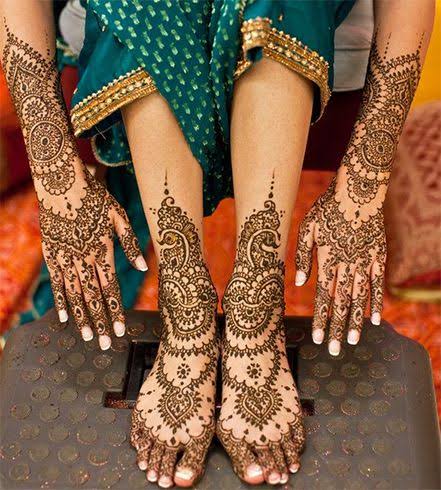
The Mehndi ceremony is one of the most glamorous and joyous celebrations of a Punjabi wedding. Held one or two evenings prior to the wedding day, it revolves around the artistic application of henna (mehndi) paste onto the bride’s hands, palms, arms, and feet.
Traditions and Symbolism
Henna has been used in Punjab for centuries as a natural cooling agent, calming wedding anxieties and preparing the bride for her new journey. In folklore, the darker the color of the bride’s dried mehndi, the deeper the love between the couple and the stronger the bond with her mother-in-law.
It is also traditional for the henna artist to secretly disguise the groom’s name or initials within the intricate bridal artwork. During post-wedding games, the groom is challenged to locate his name on the bride’s hands.
The Mehndi Night Celebration
The Mehndi function is packed with song and dance. Women gather with dholki drums, singing traditional Punjabi wedding folk songs (suhaag and giddha boliyan), while female relatives and guests also get henna applied on their palms in celebration.
Frequently Asked Questions
What does the darkness of mehndi symbolize?
Folklore says a darker, richer henna stain indicates deep love and affection between the husband and wife, as well as a warm relationship with in-laws.
How long before the wedding should Mehndi be applied?
It is ideally applied 2 days before the wedding so the stain has 24 to 48 hours to fully oxidize and develop its deepest dark-maroon color.
What is the hidden name tradition in bridal mehndi?
The henna artist hides the groom’s initials or full name inside the complex motifs; the groom must find it on the wedding night as an ice-breaker game.