
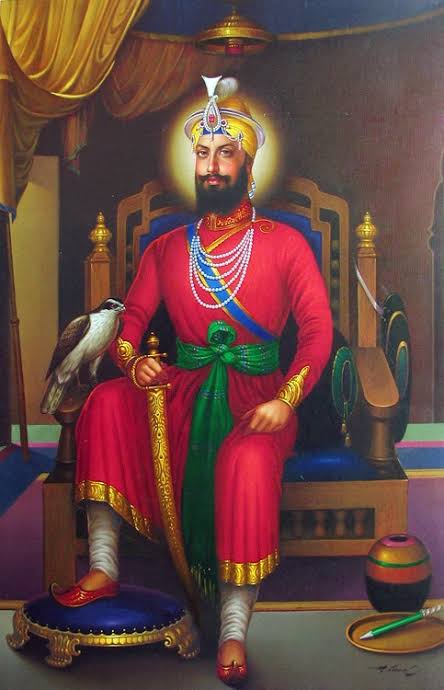
Introduction
Guru Gobind Singh Ji (1666–1708), born at Patna Sahib in Bihar, was the tenth and final human Guru of Sikhism. A profound scholar, multilingual poet, and peerless warrior-general, he forged the Sikh nation into an unyielding force for justice and human dignity.
Creation of the Khalsa Panth (Vaisakhi 1699)
On Vaisakhi day in 1699 at Anandpur Sahib, Guru Gobind Singh Ji initiated the historic Khalsa Panth. Demanding five heads for sacrifice, he baptized the Panj Pyare (Five Beloved Ones) with Amrit (nectar stirred with a double-edged sword Khanda), and then knelt before them to be baptized himself, establishing true egalitarian democracy: “Waho Waho Gobind Singh, Aape Gur Chela”.
The 5 Ks and Saint-Soldier Identity
Guru Gobind Singh Ji ordained that all initiated Khalsa Sikhs maintain five sacred articles of faith (the 5 Ks): Kesh (uncut hair), Kangha (wooden comb), Kara (steel bracelet), Kachhera (cotton undergarment), and Kirpan (ceremonial sword for defense). He gave all men the royal surname Singh (Lion) and all women the royal surname Kaur (Princess).
The Eternal Guru Granth Sahib (1708)
At Sri Hazur Sahib (Nanded, Maharashtra) in October 1708, Guru Gobind Singh Ji ended the lineage of human Gurus and conferred eternal, living Guruship upon the holy scripture, declaring: “Sab Sikhan Ko Hukam Hai Guru Manyo Granth” (All Sikhs are commanded to accept the Granth as their eternal Guru).
Frequently Asked Questions
Where and when was the Khalsa Panth created?
The Khalsa Panth was created on Vaisakhi day (March 30, 1699) at Kesgarh Sahib in Anandpur Sahib.
What are the 5 Ks given by Guru Gobind Singh Ji?
The 5 Ks are Kesh (uncut hair), Kangha (comb), Kara (iron bracelet), Kachhera (shorts), and Kirpan (defensive sword).
Who were the Char Sahibzade?
They were the four brave sons of Guru Gobind Singh Ji (Baba Ajit Singh, Jujhar Singh, Zorawar Singh, Fateh Singh) who achieved martyrdom defending freedom.
What historic declaration did Guru Gobind Singh Ji make in 1708?
He ended the lineage of living human Gurus and declared Sri Guru Granth Sahib Ji as the eternal living Guru of all Sikhs.